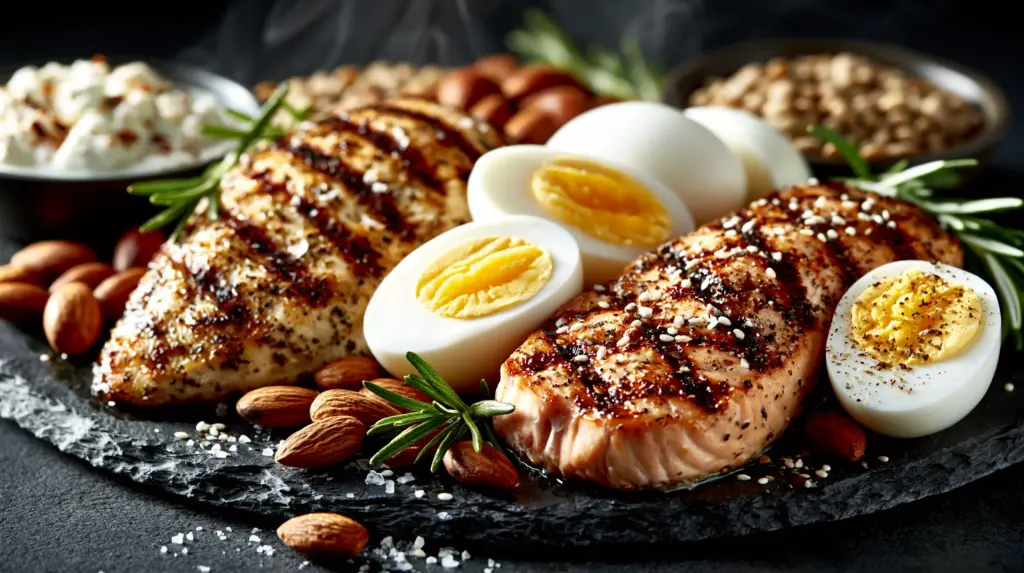



Five high-protein foods that are among the best choices for both muscle building and overall health are chicken breast, whole eggs, fish—especially trout and tuna—legumes such as lentils and chickpeas, and high-protein dairy products such as Greek yogurt and cottage cheese.
In this guide, “Nutrition and Diet: 5 High-Protein Foods for Better Health,” we compare these five options based on protein quantity and quality, cost per gram of protein in Iranian tomans, and realistic availability in the Iranian market. The goal is to help you make an informed decision without guesswork.
Two key numbers can make your decision easier: the daily protein requirement for a sedentary person is approximately 0.8 grams per kilogram of body weight, while athletes and bodybuilders generally need between 1.6 and 2.2 grams per kilogram.
This means an 80-kilogram bodybuilder needs approximately 130 to 170 grams of protein per day, ideally divided across four to five meals.
Why These Five Foods? Our Selection Criteria
This list was created using three measurable criteria rather than personal preference:
- Protein quantity and quality: Grams of protein per 100 grams and whether the food contains a complete essential amino acid profile. A PDCAAS score close to 1.0 indicates that all essential amino acids are available in sufficient amounts.
- Cost per 10 grams of protein: Prices are based on Iran’s current retail market. An expensive protein source that cannot be purchased regularly is not practical.
- Availability and ease of preparation: The foods should be easy to find and prepare in a typical Iranian kitchen, without relying on imported products that may become expensive or scarce because of exchange-rate fluctuations.
| Food | Protein Content | Protein Quality | Approximate Cost per 10 g Protein |
|---|---|---|---|
| Chicken breast | 31 g per 100 g, cooked | Complete, PDCAAS approximately 1.0 | 6,000–9,000 tomans |
| Whole eggs | 13 g per 100 g, approximately 6 g per egg | Gold standard, biological value 100 | 5,000–7,000 tomans |
| Trout | 20–25 g per 100 g | Complete, plus omega-3 | 15,000–22,000 tomans |
| Lentils or chickpeas, cooked | 9 g per 100 g | Incomplete, low in methionine | 3,000–5,000 tomans |
| Greek yogurt or cottage cheese | 10–18 g per 100 g | Complete and rich in casein | 7,000–12,000 tomans |
Prices are based on average retail prices at the time of writing and may change with fluctuations in meat and dairy prices. However, the relative cost differences among these five options usually remain similar.
1. Chicken Breast: Maximum Protein With Minimal Fat
Cooked chicken breast contains approximately 31 grams of protein per 100 grams, with only about 3.6 grams of fat. This is why it forms the foundation of many bodybuilding diets in Iran.
One medium 150-gram chicken breast provides approximately 45 grams of protein, which is nearly one-third of the daily protein requirement of an 80-kilogram athlete.
A common mistake that causes people to remove chicken breast from their diet is overcooking it, which makes it dry and unpleasant. A professional solution is brining:
- Soak the chicken breast for 30 minutes in a mixture of one liter of water and one tablespoon of salt to help it retain moisture.
- Dry it completely with a paper towel and season it with black pepper and paprika.
- Cook it in a hot grill pan for four to five minutes on each side, until the internal temperature reaches 74°C.
- Remove it immediately and allow it to rest for five minutes.
For a more affordable option, chicken thighs and drumsticks contain approximately 25 grams of protein per 100 grams and are usually less expensive, although they contain more fat.
A simple rule:
- For weight loss: Choose chicken breast.
- For weight gain or a limited budget: Choose chicken thighs.
2. Whole Eggs: The Gold Standard of Protein
Whole eggs have a biological value of 100 and are often used as the reference standard for comparing the quality of other proteins. The body can absorb and use nearly all the amino acids in eggs.
One large egg contains approximately 6 to 7 grams of protein and all nine essential amino acids.
A common mistake in Iran is throwing away the yolk. Egg yolks contain vitamin D, vitamin B12, choline, and approximately half of the egg’s protein.
For most healthy people, the cholesterol in egg yolks is not considered a major problem. A realistic recommendation is to consume two to three whole eggs per day.
When calorie intake is a major concern, combining one whole egg with two egg whites provides a good balance.
Hard-boiled eggs can be stored in the refrigerator for up to seven days, making them a quick and convenient protein-rich snack. They are generally higher in nutritional quality and less expensive than commercial protein bars.
At current prices, every 10 grams of complete protein from eggs costs approximately 5,000 to 7,000 tomans, making eggs one of the most affordable sources of complete animal protein.
3. Fish: Complete Protein Plus Omega-3
Fish provides both complete protein and omega-3 fatty acids, particularly EPA and DHA. These fatty acids support heart health, joint health, inflammation management, and recovery after intense exercise.
Farmed rainbow trout is widely available in Iran and is usually more affordable than imported fish. It contains approximately 20 to 25 grams of protein per 100 grams.
Realistic options in the Iranian market include:
- Fresh or frozen trout: One of the best combinations of price and omega-3 content.
- Canned tuna in water rather than oil: Quick, convenient, and shelf-stable, with approximately 25 grams of protein in a 180-gram can. Brands such as Shilaneh and Tahfeh are widely available.
- Kilka and local fish: Affordable, omega-3-rich options for limited budgets.
A widely accepted nutritional recommendation is to consume at least two portions of oily fish per week.
For healthier preparation, bake fish with a small amount of olive oil, lemon, and rosemary. Deep-frying significantly increases the calorie content and may reduce some of the nutritional benefits associated with omega-3 fats.
4. Legumes: Affordable, High-Fiber Plant Protein
Lentils and chickpeas are among the leading plant-based protein sources in Iranian cuisine.
Cooked lentils contain approximately 9 grams of protein per 100 grams, along with substantial amounts of fiber, iron, and folate.
Legumes are the least expensive protein source on this list and are particularly valuable for vegetarians and people who want to reduce their meat consumption.
An important scientific point is that most legumes are considered incomplete proteins because they contain relatively low amounts of the essential amino acid methionine.
However, combining legumes with grains such as rice, bread, or barley creates a more complete amino acid profile. This is why traditional meals such as lentil rice or beans served with bread are nutritionally effective combinations.
To improve digestion and reduce bloating:
- Soak legumes for 8 to 12 hours overnight.
- Discard the soaking water and cook them in fresh water.
- Add a small amount of cumin or thyme to support digestion.
Hummus, made from chickpeas and tahini, provides both protein and healthy fats and can be an excellent snack.
5. High-Protein Dairy: Slow-Digesting Casein for Overnight Recovery
Greek yogurt and cottage cheese are rich in casein, a slowly digested protein that can be useful during sleep, when the body is repairing and recovering.
Strained Greek yogurt contains approximately 10 grams of protein per 100 grams, nearly twice the amount found in regular yogurt, because much of its liquid whey has been removed.
An important shopping tip in Iran is that many products labeled “Greek yogurt” are actually ordinary high-fat yogurt.
Read the nutrition label carefully. Authentic Greek-style yogurt should contain more than 8 grams of protein per 100 grams.
When Greek yogurt is unavailable, you can make strained yogurt at home by placing regular yogurt in a cheesecloth or clean straining cloth for several hours until the excess liquid drains away.
Lighvan cheese and low-salt cheese can also provide a good amount of protein, although the sodium content of some cheeses should be considered.
A bowl of Greek yogurt with a small amount of walnuts and honey can be a balanced pre-sleep snack that provides slow-digesting protein and healthy fats.
How Can You Include These Five Foods in One Day?
The following sample plan provides approximately 150 grams of protein per day for an 80-kilogram person:
| Meal | Food | Approximate Protein |
|---|---|---|
| Breakfast | 3 eggs with whole-grain bread | 22 g |
| Snack | 200 g Greek yogurt with walnuts | 20 g |
| Lunch | 150 g chicken breast with lentil rice | 55 g |
| Workout snack | Half a can of tuna | 12 g |
| Dinner | 150 g trout with vegetables | 35 g |
Total: Approximately 144 grams of protein, with a balanced variety of animal and plant sources and without relying on industrial supplements.
The Real Cost of This Plan in Iran
Based on market prices in autumn 1403, the approximate cost of the ingredients for one day is:
- Three eggs: approximately 15,000 tomans
- 200 grams of Greek yogurt from brands such as Kalleh or Damdaran: approximately 30,000 tomans
- 150 grams of chicken breast: approximately 25,000 tomans
- Half a can of tuna from brands such as Tahfeh or Shilaneh: approximately 35,000 tomans
- 150 grams of trout: approximately 60,000 tomans
The total daily cost is approximately 165,000 to 190,000 tomans.
Replacing trout every other day with chicken or legumes can reduce the daily cost to approximately 120,000 tomans.
Common Mistakes to Avoid
Four Frequent Errors
1. Relying on Only One Protein Source
Eating chicken breast three times a day can lead to dietary boredom and may reduce the variety of micronutrients in your diet.
Variety is essential for long-term consistency. Rotate eggs, lentils, kilka fish, dairy products, chicken, and other suitable sources.
2. Ignoring Protein Distribution Throughout the Day
The body generally uses approximately 20 to 40 grams of protein per meal most effectively for muscle protein synthesis.
Distributing protein across four meals is usually more effective than consuming 120 grams in a single meal.
3. Relying Entirely on Supplements
Protein powder is a supplement, not a replacement for food.
Whole foods provide additional micronutrients, fiber, and greater satiety.
4. Eliminating Fats and Carbohydrates Because of Protein
The body also needs sufficient energy to build muscle. A diet based almost entirely on protein can produce the opposite of the intended result.
The Hidden Cost of Supplements
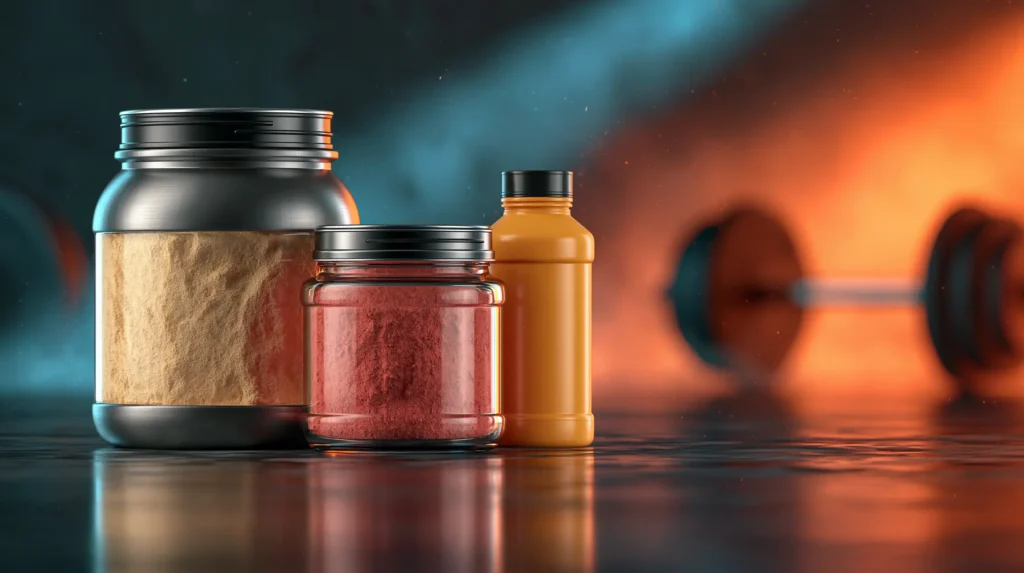
A container of imported whey protein or products sold through brands such as Decathlon may cost approximately 1.5 to 3 million tomans in the Iranian market.
Spending the same budget on eggs and lentils may provide more total protein along with additional micronutrients.
| Protein Source | Value for Money |
|---|---|
| Eggs | High |
| Lentils and beans | High |
| Whey protein | Moderate |
Before purchasing supplements, consult a qualified dietitian or healthcare professional licensed by the Iranian Medical Council. Purchase supplements only from a pharmacy or a website with a valid e-Namad electronic trust symbol.
Frequently Asked Questions
How Much Protein Do I Need Per Day?
A sedentary person generally needs approximately 0.8 grams of protein per kilogram of body weight.
Athletes and bodybuilders commonly require between 1.6 and 2.2 grams per kilogram.
A 70-kilogram person who regularly performs resistance training may therefore need between 112 and 154 grams of protein per day, ideally divided across four to five meals.
Can a High-Protein Diet Damage the Kidneys?
For healthy people without pre-existing kidney disease, protein intake within commonly recommended athletic ranges has not been proven to damage the kidneys.
However, anyone with a history of kidney disease should consult a physician before increasing protein intake and should maintain adequate hydration.
Can Plant Protein Replace Meat?
Yes, provided that plant proteins are combined intelligently.
Because individual plant foods are often relatively low in one or more essential amino acids, combining legumes with grains—such as lentils with rice or hummus with bread—creates a more balanced amino acid profile.
Vegetarians should also pay particular attention to their intake of vitamin B12, iron, and zinc.
What Is the Most Affordable High-Quality Protein Source in Iran?
Whole eggs are among the most affordable sources of complete protein, costing approximately 5,000 to 7,000 tomans per 10 grams of protein.
Legumes such as lentils are even less expensive, but their protein is incomplete when consumed alone and should ideally be combined with grains.
For a limited budget, a combination of eggs and lentils is one of the best options.
What Is the Best Time to Consume Protein?
Distributing protein throughout the day is generally more effective than consuming most of it in one meal.
Eating a protein-rich meal within two hours after training can support recovery.
Consuming a slowly digested protein such as casein from Greek yogurt or cottage cheese before sleep may support overnight muscle recovery and muscle protein synthesis.
Is Whey Protein Powder Necessary?
No. Whey protein is not necessary, although it can be convenient.
When you can meet your daily protein target through whole foods, you do not need a protein supplement.
Whey protein is most useful when you do not have enough time to prepare food or when your appetite makes it difficult to consume enough protein. It should be considered a convenient supporting option rather than the foundation of your diet.
You have not enough Humanizer words left. Upgrade your Surfer plan.